Table of contents
In 2026, Labor Day falls on Monday, September 7.
History
Labor Day as a national, legal holiday had an interesting evolution. The legalized celebration of this holiday began as individual state celebrations. In 1887, New York, New Jersey and Colorado were among the first states to approve state legal holidays. Then other states joined in to create their own state holidays.
From state holiday to national recognition
Finally, in response to a groundswell of support for a national holiday celebrating the nation’s workers, Sen. James Henderson Kyle of South Dakota introduced S.730 to the 53rd Congress to make Labor Day a legal holiday on the first Monday of September each year. It was approved on June 28, 1894.
How Labor Day traditions began
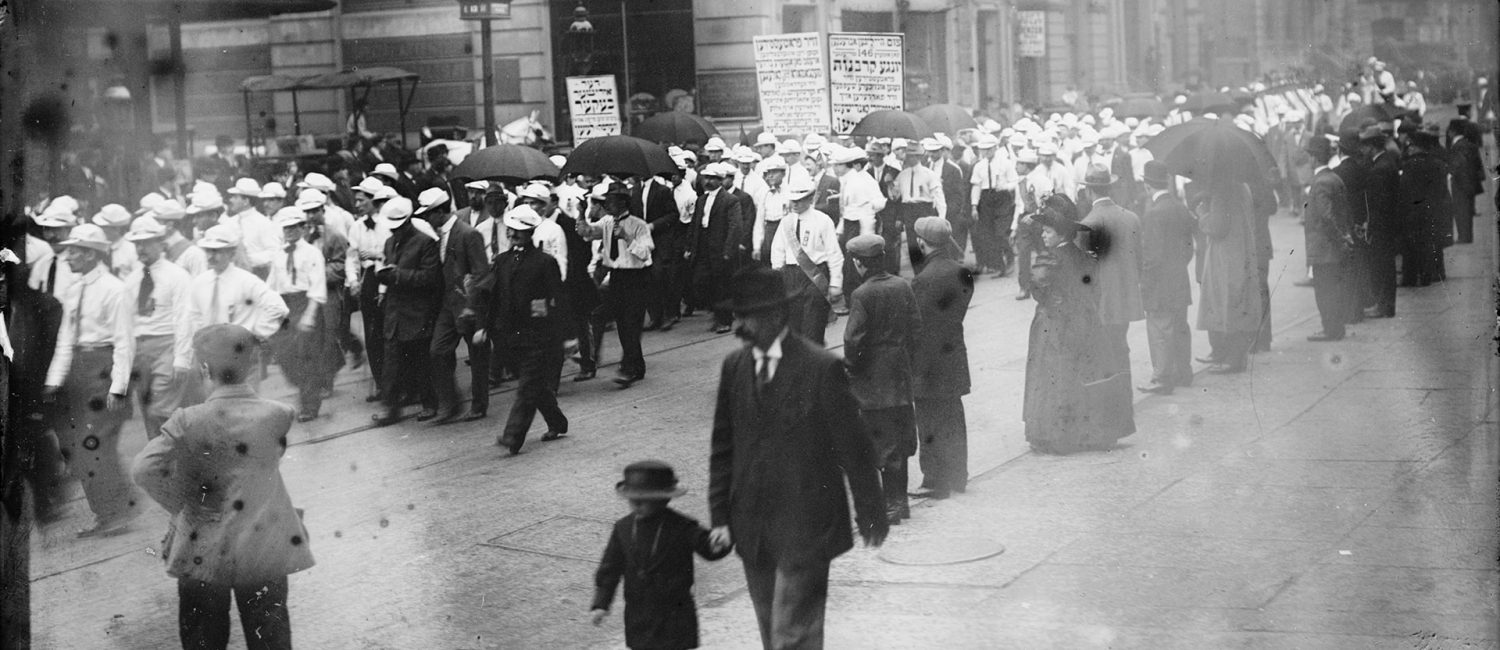
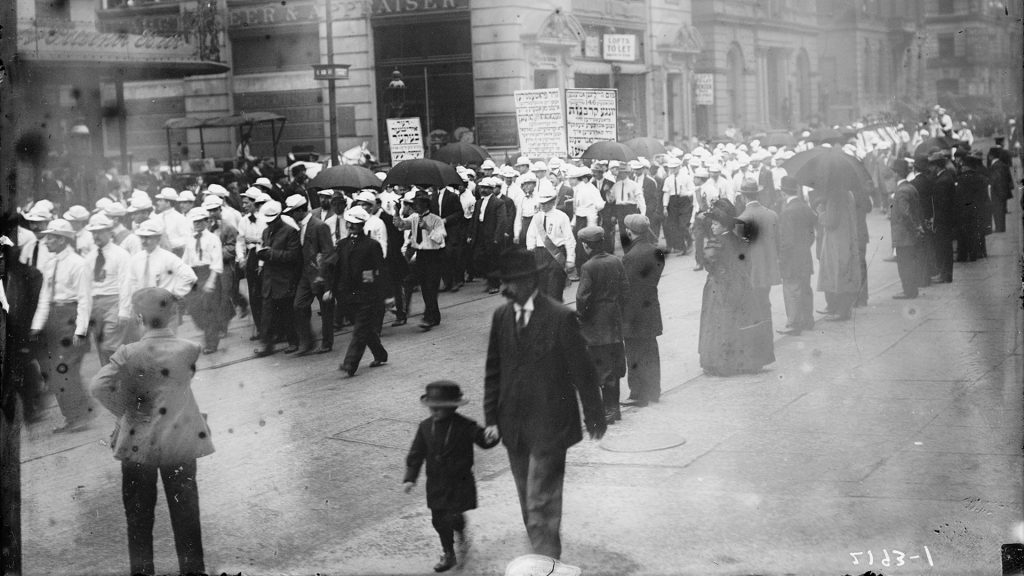
The form that the observance and celebration of this national holiday should take was outlined in the first proposal of the holiday – a street parade to exhibit to the public “the strength and esprit de corps of the trade and labor organizations” of the community, followed by a festival for the recreation and amusement of the workers and their families. This became the pattern for the celebrations of the holiday. Speeches by prominent men and women were introduced later, as more emphasis was placed upon the economic and civic significance of the holiday.
Sen. James Henderson Kyle of South Dakota introduced S.730 to the 53rd Congress to make Labor Day a legal holiday on the first Monday of September each year. It was approved on June 28, 1894.
Honoring the American Worker
The vital force of labor added materially to the highest standard of living and the greatest production the world has ever known and has brought us closer to the realization of our traditional ideals of economic and political democracy.
It is appropriate, therefore, that the nation pays tribute on Labor Day to the creator of so much of the nation’s strength, freedom, and leadership, the American worker.
Happy Labor Day to all the hardworking men and women of our community! »