Table of contents
Honoring history from different perspectives
In the United States, this holiday will be celebrated on Monday, October 13, this year.
Columbus Day and Indigenous Peoples’ Day, both celebrated in the United States, reflect contrasting narratives of discovery and colonization. Understanding the reasoning behind both holidays can help us appreciate their significance and celebrate them without controversy.
Columbus Day: Commemorating exploration
Origins
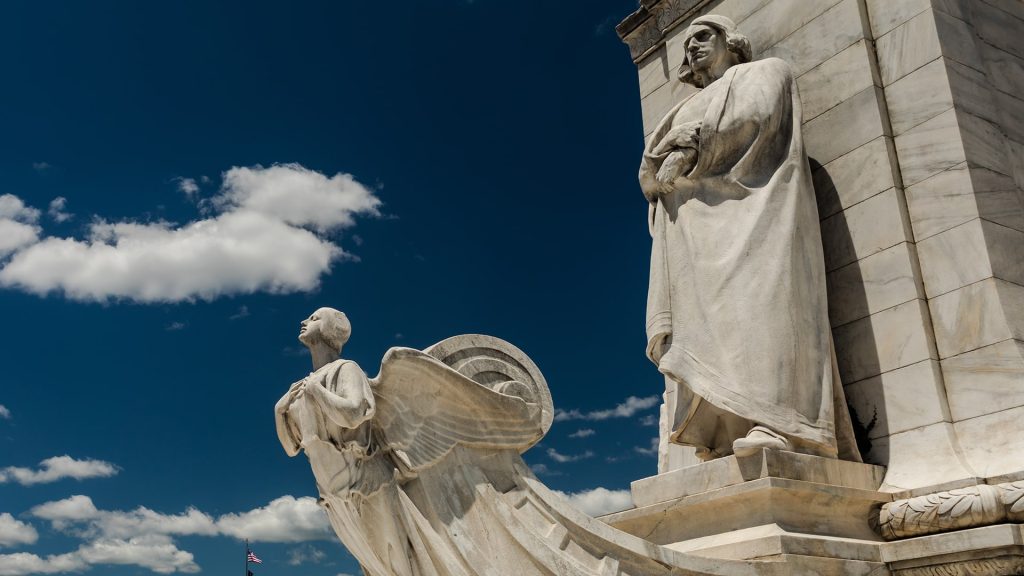
Established as a federal holiday in 1937, it serves as a tribute to Christopher Columbus’s historic arrival in the Americas in 1492. This holiday celebrates not only the spirit of exploration but also the exchange of cultures that occurred as a result of Columbus’s voyage between the Old World and the New World.
Reasons for celebration
This holiday encompasses several key reasons for celebration:
- Historic Exploration: Christopher Columbus’s voyage opened new frontiers, leading to an era of exploration that shaped world history.
- Cultural Exchange: The Columbian Exchange introduced foods, animals, and ideas between continents, enriching both worlds. However, it also had a negative impact by bringing disease and slavery.
Indigenous Peoples’ Day: Honoring Native heritage
Origins
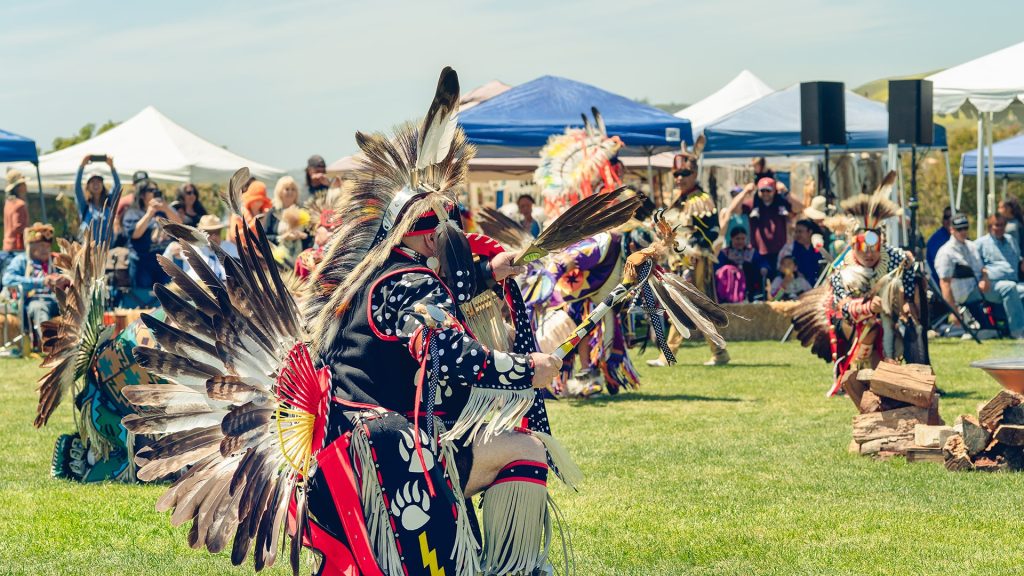
Emerging as a counter-celebration to Columbus Day, this relative new holiday gained prominence to acknowledge the rich tapestry of diverse cultures, the resilience of indigenous communities, and their significant contributions to American society.
Reasons for celebration
- Recognize Native contributions: Highlight the profound influence of indigenous cultures on art, language, agriculture, and environmental stewardship.
- Address Historical Injustices: This holiday also serves as a platform to acknowledge the injustices and hardships that indigenous communities have faced throughout history, fostering an atmosphere of understanding and healing.
By appreciating the reasoning behind both holidays and celebrating them harmoniously, we can embrace the multifaceted tapestry of American history and culture. Let us remember our past, acknowledge its complexities, and celebrate unity in diversity on these important occasions.
Celebrating both holidays harmoniously
To ensure a harmonious celebration of both holidays, consider these approaches:
- Education: Promote accurate historical education that fosters a well-rounded understanding of Columbus’s role alongside the rich indigenous heritage of the Americas.
- Cultural Exchange: Encourage events and activities that celebrate the positive aspects of both cultures and histories, emphasizing unity in diversity.
- Dialogue: Create spaces for respectful conversations that acknowledge the complexities of history while emphasizing the shared goal of fostering harmony and appreciation.
Conclusion: A holistic approach to celebration
Columbus Day and Indigenous Peoples’ Day offer an opportunity to honor exploration, cultural exchange, and indigenous heritage. By appreciating the reasoning behind both holidays and celebrating them harmoniously, we can embrace the multifaceted tapestry of American history and culture. Let us remember our past, acknowledge its complexities, and celebrate unity in diversity on these important occasions.